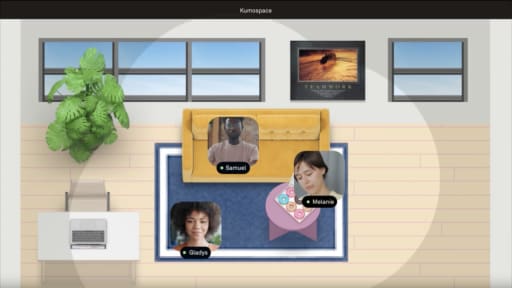
The rise of remote work has undoubtedly left a lasting impact on the global workforce. As more companies adopt work-from-anywhere models, it’s crucial to understand the work-from-anywhere trends, benefits, challenges, and future of this rapidly evolving landscape. In this blog post, we’ll dive deep into the latest remote work statistics, uncovering insights that will help you navigate and adapt to the ever-changing world of work. Get ready to explore a new era of work, where flexibility and adaptability reign supreme.
Key takeaways
- Remote work has seen a notable increase in the past few years, with 80% of workers engaging in hybrid or remote working.
- Over the past year, there have been significant shifts in remote work trends, including changes in employee preferences, workplace policies, and the adoption of new technologies to support distributed teams.
- The pandemic rapidly accelerated the shift to remote work, prompting organizations and employees to quickly adapt to new tools, workflows, and ways of collaborating.
- Remote employees are reporting major benefits, including higher productivity, meaningful cost savings, and a healthier work-life balance.
- Remote work is reshaping real estate and urban planning, and Kumospace is supporting this evolving landscape with insights and virtual workspace solutions that enable more flexible work.
The rise of work-from-anywhere trends

A significant shift in our work patterns has been observed over the past few years, with remote work trends playing a crucial role. Remote work has become increasingly popular, driven by both the COVID-19 pandemic and a growing desire for flexibility among employees. In fact, key remote work statistics reveal that 80% of workers are engaged in hybrid or remote working, making remote employees a significant portion of today’s workforce. Hybrid workers and hybrid employees are actively participating in new workplace trends, such as balancing in-office and remote work, coffee badging, and polyworking, which are shaping workplace culture and policies.
Employee preferences have shifted significantly, with 98% wanting remote work at least part of the time. Flexibility, compensation, supportive management, and reliable technology now play a major role in choosing work arrangements. Hybrid and remote models offer cost savings, lower stress, and better work-life balance, so much so that many employees rank remote work above salary or other benefits. In response, 48% of employers now offer some form of remote work, reflecting its growing importance for both workers and organizations.
The shift to remote work
The COVID-19 pandemic played a pivotal role in accelerating the adoption of remote work. At the height of the pandemic, 66% of US employees were working remotely, and even in 2023, 27% continued to work remotely. Companies have realized the advantages of remote work, such as reduced office space costs and increased productivity, with 27% of employers reporting a boost in company productivity as a result of remote work.
Unmistakably, remote work has become a permanent feature of our work culture. By 2025, it is projected that 36.2 million Americans will be working remotely, a staggering increase from pre-pandemic levels. This growing trend is also reflected in the fact that 85% of managers believe that remote work teams will become the new norm.
Impact on employee preferences

With the rise in remote work, employee preferences have gravitated towards more flexible work arrangements. A survey conducted by FlexJobs found that 71% of remote workers reported that remote work helps them maintain a better work-life balance. In the same survey, workers admit that they are more likely to seek out employers who offer hybrid or fully remote options, highlighting the growing demand for flexibility. Additionally, a staggering 57% of employees are willing to look for a new job if their current company doesn’t offer remote work options. Many people search for new job opportunities because they want a better work-life balance and more flexibility in how they work.
This rising preference for remote work underscores the need to provide flexible work arrangements to draw in and keep top talent. In fact, 65% of employees would consider working remotely full-time, even if it meant accepting a lower salary. Employers should take note of this shift in preferences and adjust their policies to accommodate the changing needs of their workforce, as it reflects the workers’ desire for more flexibility.
Benefits of work-from-anywhere models

Adopting work-from-anywhere models yields numerous benefits for both staff and businesses. These benefits include increased productivity, cost savings, and improved mental health for remote workers.
A well-managed home environment, including a designated workspace and effective environment management, plays a crucial role in supporting these benefits. The right home environment can enhance work-life balance, boost productivity, and positively impact mental health.
We’ll dissect each of these benefits to understand how they contribute to the prosperity of remote work arrangements.
Increased productivity
Increased productivity is one of the most notable benefits of remote work. Studies show remote employees experience a 22% performance boost compared to on-site workers, thanks to fewer interruptions, greater focus, and stronger work-life balance. Many also use calendar blocking to protect their time, minimize unnecessary meetings, and structure their day for maximum efficiency.
Moreover, 94% of employees report that their productivity has remained the same or increased since they began working remotely. This demonstrates the potential for remote work to enhance worker productivity, benefiting both employees and the companies they work for.
Cost savings
Cost savings for both businesses and their employees are another advantage of remote work. Employers can save an estimated $11,000 per employee per year by adopting remote work arrangements, primarily due to reduced office space costs. On the other hand, employees can save between $2,500 and $4,000 annually thanks to decreased commuting and office-related expenses.
These savings can significantly impact the financial health of both employers and employees, making remote work an attractive option for many. While cost savings are becoming more prominent, health insurance remains a key benefit for employees and continues to play an important role in job satisfaction and talent attraction. As remote work continues to grow in popularity, these cost savings will likely become an increasingly important factor in the decision-making process for both employers and employees.
Improved mental health
Studies have demonstrated a positive influence of remote work on mental health, with remote workers reporting better work-life balance and reduced stress levels. In fact, 75% of remote workers have experienced an improvement in their work-life balance as a result of working remotely.
Remote work offers many benefits, but it can also lead to isolation if not managed well. Employers should encourage real downtime, set clear boundaries, and foster social interaction to support mental well-being and prevent burnout. Tools like Kumospace help make this easier. With spatial audio, customizable virtual spaces, and team chat, Kumospace recreates the feeling of being in an office while keeping the comfort of working from home.
Challenges of work-from-anywhere models

Despite the numerous benefits of work-from-anywhere models, they pose challenges that can’t be ignored. Some of these challenges include maintaining effective communication and collaboration among remote teams and addressing cybersecurity risks. Effective communication is essential in this environment, and timely responses from both employees and managers help maintain trust and engagement.
Workplace satisfaction and engagement can also be influenced by colleagues' political opinions, which may create tension or discomfort in both remote and in-person settings. Additionally, some employers negatively impact employee satisfaction through rigid policies like mandatory office returns or excessive oversight. Having a supportive manager is crucial in mitigating these challenges, as supportive leadership can significantly improve employee engagement and retention in remote work environments.
We’ll examine these challenges more thoroughly and suggest possible solutions.
Maintaining communication and collaboration
Providing effective communication and collaboration among team members stands out as one of the main challenges of remote work. In fact, 53% of remote workers report difficulty in feeling connected to their colleagues, while 69% experience burnout due to digital communication tools. Building relationships with remote colleagues presents unique challenges and opportunities, as employees navigate new ways to collaborate and connect compared to their in-office counterparts.
To overcome these challenges, employers should:
- Invest in communication and collaboration tools that facilitate seamless interaction among remote teams
- Conduct regular check-ins and video conferencing to maintain communication
- Organize team-building activities to foster a sense of connection and camaraderie among remote workers.
Additionally, as hybrid meetings become more common in a hybrid work environment, it is crucial to use high-quality meeting technology and follow best practices to address challenges such as technical difficulties and scheduling across time zones, guaranteeing productive and inclusive communication for all participants.
Cybersecurity risks
Cybersecurity risks are another concern associated with remote work, with 73% of executives believing remote workers are a greater security risk than their on-site counterparts. To address these risks, companies should implement secure protocols, such as two-factor authentication and encryption, and educate employees on best practices for cybersecurity.
Securing that remote workers have access to secure networks and are knowledgeable about potential security threats is essential for maintaining the integrity of company data and systems. By addressing these challenges proactively, companies can create a secure and productive work environment for their remote teams.
Work-from-anywhere opportunities by industry and occupation

The availability of remote work opportunities differs across industries and occupations, with some sectors being more adaptable to remote work than others. Professional services, such as tech, finance, and consulting, are among the leading sectors for remote work opportunities. A supportive supervisor plays a crucial role in enabling successful remote work across industries, significantly impacting employee satisfaction and productivity. This section will examine the leading industries for remote work and highlight the most sought-after remote job roles in these sectors.
Top industries for remote work
The computer and IT sector was the most prominent industry for remote work in 2026. Other industries that have adopted remote work include:
- Marketing
- Accounting and finance
- Project management
- Medical and health industry
Large enterprises are increasingly adopting remote work policies to attract and retain talent, reflecting a broader trend among organizations with extensive employee bases.
As the popularity of remote work continues to rise, more industries are expected to welcome remote work arrangements to meet their workforce’s evolving preferences. Companies that can successfully implement remote work policies will have a competitive advantage in attracting and retaining top talent.
Popular remote job roles
Popular remote job roles span various industries and skill sets. Some of the most in-demand remote job roles include:
- Accounting
- Customer service
- Project management
- Data Science
- Nursing
- Engineering
There is a growing number of remote roles across industries, and having specific job descriptions is increasingly important for setting clear expectations for remote employees. Well-defined job descriptions help remote workers understand their responsibilities, set boundaries, and maintain productivity.
These roles demonstrate the diversity of remote work opportunities and the potential for professionals across various fields to find remote work that fits their skills and interests.
As remote work becomes more commonplace, even more job roles will likely become accessible to remote workers. This will provide even greater flexibility and opportunities for professionals seeking remote work arrangements.
Work-from-anywhere demographics and preferences

Demographics and preferences related to work-from-anywhere shed light on how age, education, and gender influence the accessibility and preferences of remote work, as well as the onsite office environment. Remote work trends in 2026 vary significantly by age group, with certain age brackets more likely to work remotely than others. In contrast, office workers often report different experiences and preferences, shaped by the physical workplace environment and company policies.
This section will analyze how these factors affect access to remote work opportunities and the types of work arrangements that are most desired.
Age and education factors
When evaluating eligibility for remote work, age and education play crucial roles. These two components can have a significant impact on accessibility. For instance, 39% of workers aged 24 to 35 work remotely full-time. Additionally, workers with higher levels of education are more likely to have access to remote work options.
This highlights the importance of offering remote work opportunities to a diverse range of employees, ensuring that individuals of all ages and educational backgrounds have the chance to benefit from the flexibility and advantages of remote work.
Gender gap in remote work
A gender disparity is evident in remote work, with 38% of men working remotely full-time compared to 30% of women. This disparity can be attributed to various factors, including differing job preferences and opportunities offered to men and women.
To bridge the gender gap in remote work, companies should focus on creating an inclusive remote work environment that offers equal access to remote work opportunities and supports a diverse workforce. This will help guarantee that all employees, regardless of gender, can enjoy the benefits of remote work.
Future of work-from-anywhere trends

The future of work-from-anywhere trends encompasses the expansion of hybrid work models, implications for real estate and urban planning, and Kumospace’s role in shaping the future of work, including the integration of physical office spaces. Work location is becoming more flexible, with both employees and employers rethinking traditional office settings in favor of remote and hybrid arrangements.
This section will delve into these trends and their possible repercussions on the workforce and broader society.
Hybrid work models
Hybrid work models, an amalgamation of remote and on-site work, are gaining popularity. In 2023, 28.2% of full-time employees were working under a hybrid model, and 32% of employees preferred a hybrid schedule. This growing preference for hybrid work models highlights the need for companies to adapt and offer flexible work arrangements that cater to the diverse needs of their workforce.
As more companies adopt hybrid work models, we can expect to see a continued shift in employee preferences and workplace dynamics. Companies that can successfully navigate this shift and offer flexible work arrangements will be better positioned to attract and retain top talent in the future.
Impact on real estate and urban planning
Real estate and urban planning are also feeling the impact of the surge in remote work. As more people can work from anywhere, they may choose to migrate to locations with a better quality of life, lower cost of living, and better weather. This trend has the potential to transform real estate markets outside major urban centers and reshape urban planning as people prioritize different factors when choosing where to live.
As remote work continues to grow, its impact on real estate and urban planning will likely become more pronounced. This presents both challenges and opportunities for cities and communities as they adapt to the changing needs of their populations.
Kumospace: shaping the future of work-from-anywhere trends
Kumospace is dedicated to staying abreast of changes and adapting to the evolving world of work. By providing insights into remote work statistics and trends, Kumospace is helping to shape the future of work-from-anywhere. Their platform facilitates the creation of virtual workspaces, enabling employees to:
- Collaborate and communicate securely and efficiently
- Access necessary tools and resources
- Share and edit documents in real-time
- Conduct virtual meetings and conferences
As the workplace continues to evolve, Kumospace is helping companies and employees stay ahead of the curve. By leading the charge on work-from-anywhere trends, they’re empowering teams to build a more flexible, connected, and adaptable future.
The rise of remote work is reshaping everything from employee expectations to workplace culture to the design of our cities. As remote and hybrid models continue to expand, companies need to evolve to stay competitive. By recognizing the benefits and challenges of work-from-anywhere, organizations can build a future-ready workforce that’s more flexible, inclusive, and productive.
Summary
Remote work has become a permanent part of the modern workplace, with most employees now preferring hybrid or remote arrangements. This shift is being powered by employees’ desire for more flexibility, a healthier work-life balance, and less day-to-day stress. Remote and hybrid models offer major benefits, including higher productivity, cost savings, and improved well-being, though they also bring challenges like communication gaps, cybersecurity risks, and the rise of monitoring tools.
Industries such as tech, finance, healthcare, and marketing lead in remote opportunities, and a wide range of roles can now be done from anywhere. Demographic trends show that younger and more educated workers have greater access to remote options, though gaps still exist. As hybrid work continues to grow, it is reshaping employee expectations, workplace policies, and even urban development. Remote work is here to stay, redefining how and where people work.
Frequently asked questions
Despite leaders pushing for a full return to the office in 2026, it is likely that remote work opportunities will remain, with hybrid working arrangements becoming increasingly popular. Companies are now investing in ways to collaborate and facilitate remote workers even from within the office.
By 2026, remote work is projected to be a significant trend. Companies will offer it as an attractive perk for prospective employees seeking work-life balance and flexibility while existing employees will benefit from increased autonomy.
Remote work is on the rise, with 33 of 55 job categories rising in share from May 2022 to May 2023, accounting for 49% of all job postings on Indeed. Long-term trends have seen work-from-home rates steadily increasing since the early 2000s, and this trend is expected to continue due to the pandemic's acceleration of research and patenting in technologies that support remote interactions. Statistics for 2026 are still incoming.
IT, marketing, accounting, finance, and project management are the top industries for remote work.
Kumospace stands out as the premier platform for remote work, offering an immersive and interactive virtual environment that fosters seamless collaboration and communication among remote teams.
Remote work has been linked to positive mental health outcomes, with reports of improved work-life balance and reduced stress levels.